1/10
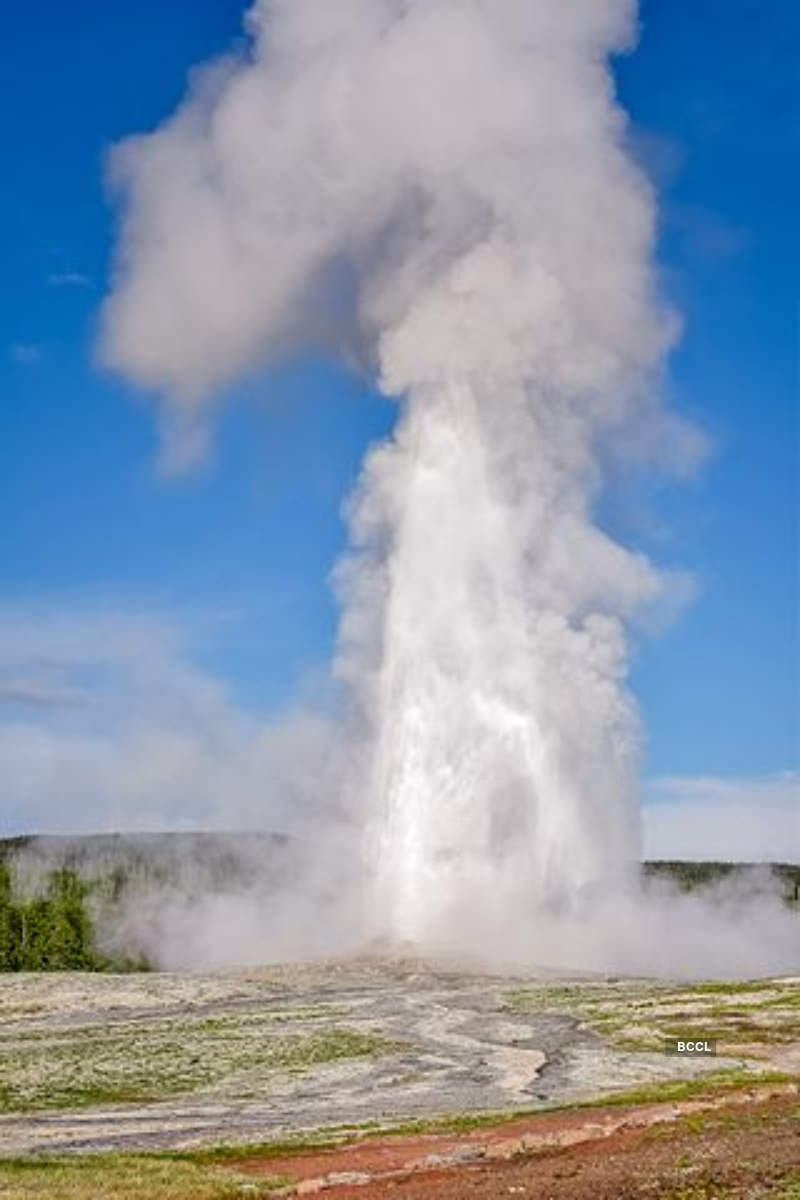
Yellowstone National Park, USA
The number one volcano on our list of active volcanoes is the Yellowstone Caldera. The national park’s active volcanic caldera attracts around three million visitors per year. Its hot springs and geysers are beautiful to behold, but they are also potentially deadly. Yellowstone is a super volcano. In fact, the last known major eruption of a super volcano happened in Yellowstone 640,000 years ago. If Yellowstone were to blow, it is estimated that 87,000 people would be killed instantly. The entire western USA would be devastated, and the ash would also impact ecology and human health throughout the country and the world. The explosion would be a worldwide catastrophe of unparalleled proportions, and there is no way to predict how far its ramifications would extend.
Pic Courtesy : BCCL - Non Copyright
Read More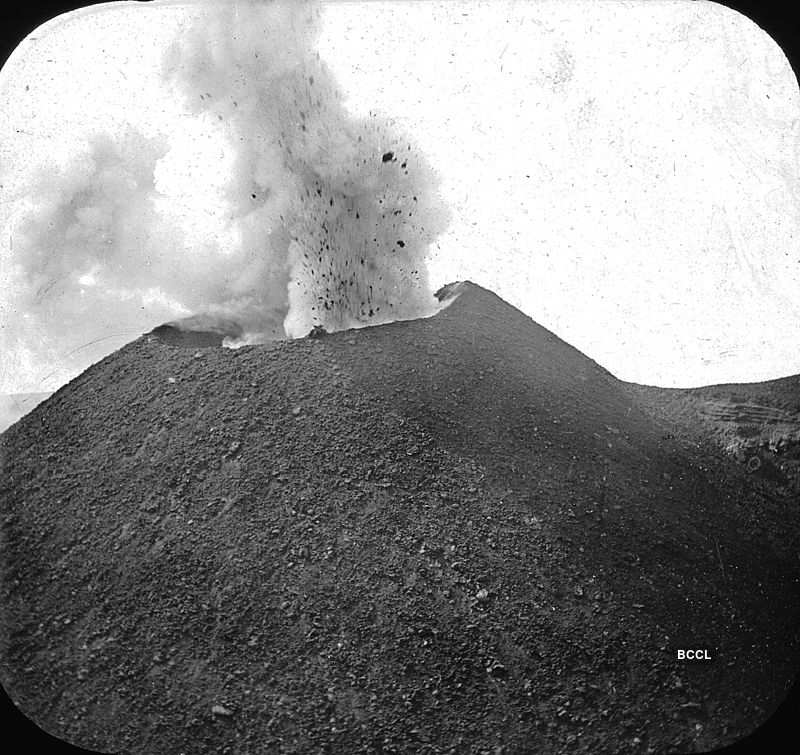
2/10
Mt. Vesuvius, Italy
One of the most famous volcanoes on the planet is Mt. Vesuvius. Anyone who has attended a high-school history class knows about the famous, catastrophic eruption in 79 AD which destroyed the cities of Pompeii and Herculaneum. The volcanic ash preserved the two sites, making them some of the best known archaeological digs on earth. Vesuvius has an eruption cycle of roughly every 20 years. The last eruption was in 1944, so the mountain is overdue for its next eruption. Three million people are located not only within the blast radius, but close to the crater. This is another volcano which poses a serious risk to an incredible number of people.
Pic Courtesy : BCCL - Non Copyright
Read More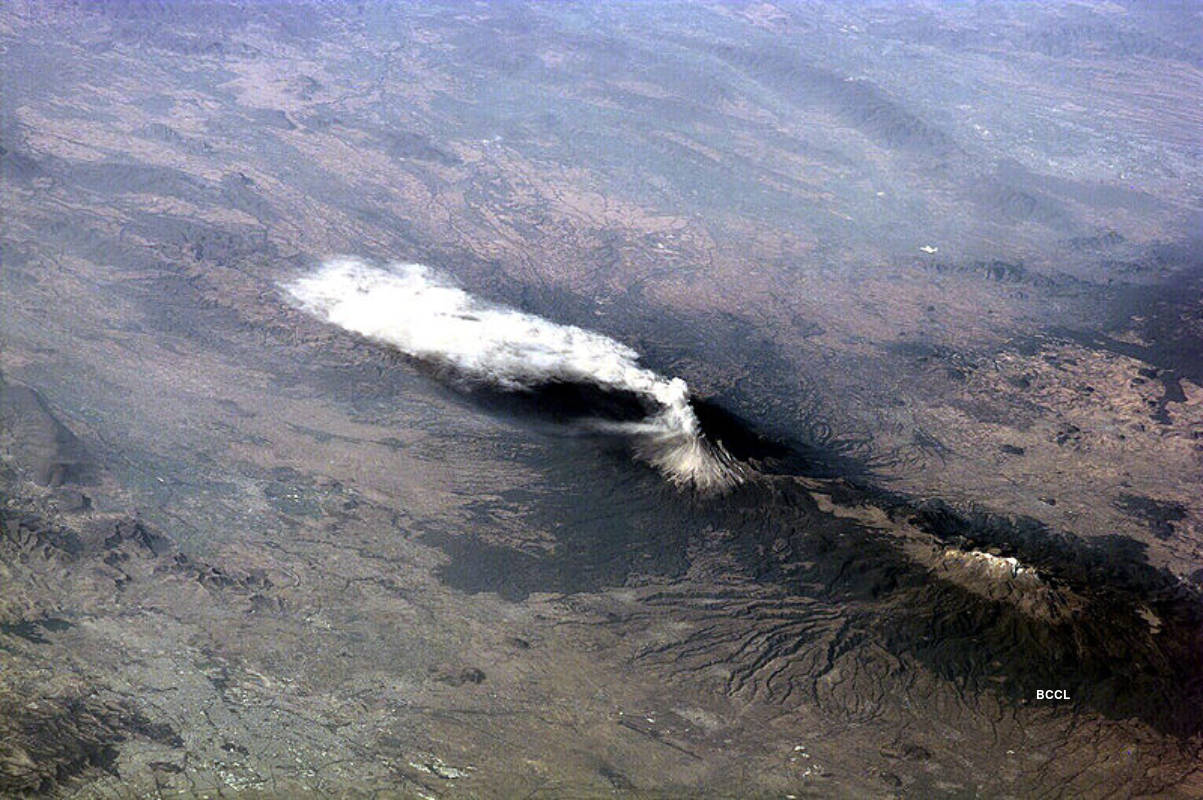
3/10
Popocatepetl, Mexico
This volcano is just 35 miles away from Mexico City and erupted most recently in 2000. Forty-one thousand people would have been in danger of losing their lives if they had not been evacuated in time. Nine million people live within the blast radius. If there is ever a major eruption, it will be a mass catastrophe. This certainly makes Popocatepetl one of the most dangerous volcanoes on the planet as well as one of the most active.
Pic Courtesy : BCCL - Non Copyright
Read More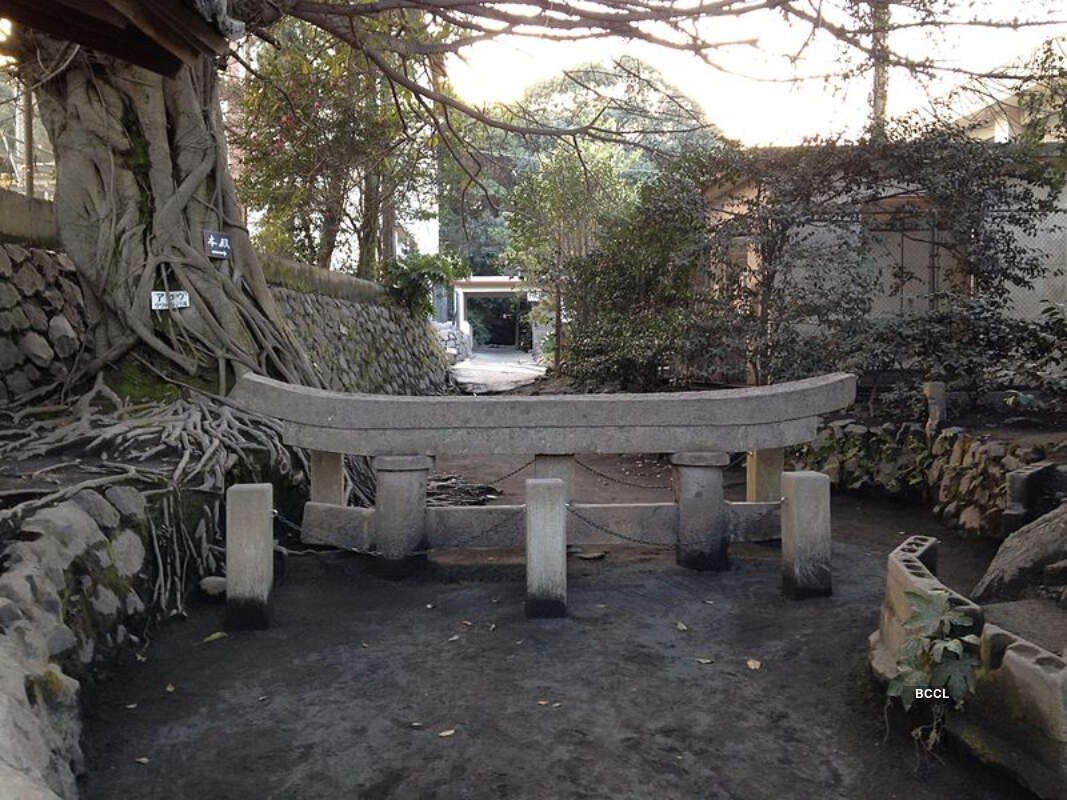
4/10
Sakurajima, Japan
On the list of active volcanoes, Sakurajima is known as the “Vesuvius of the East,” a reference to its high level of activity. It used to be separate from the mainland of Japan, but the lava flows from a 1914 eruption actually created a bridge of land connecting it to the rest of Japan. Sakurajima produces thousands of small eruptions each year. If a major eruption occurs, 700,000 residents in the city of Kagoshima will be in immediate danger.
Pic Courtesy : BCCL - Non Copyright
Read More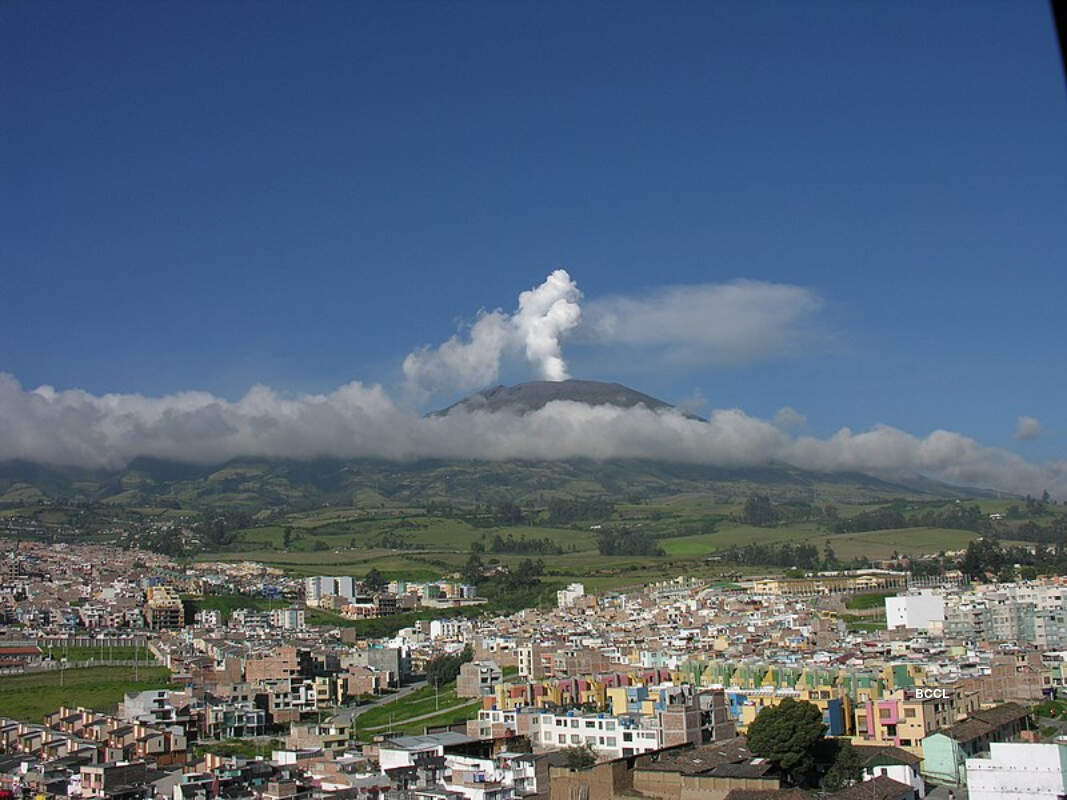
5/10
Galeras, Columbia
This volcano nears the border of Ecuador erupts frequently and has been active an impressively long time. Scientists estimate the volcano has been erupting for one million years or more. The first recorded eruption was in 1580. Between 1978 and 1988, Galeras went temporarily dormant. Since becoming active again, it has behaved ominously, erupting almost every year since the turn of the millennium. The city of Pasto on its eastern slope is home to 450,000 residents
Pic Courtesy : BCCL - Non Copyright
Read More
खबरें एक झलक में :
ऐप पर देखें