1/10
2/10
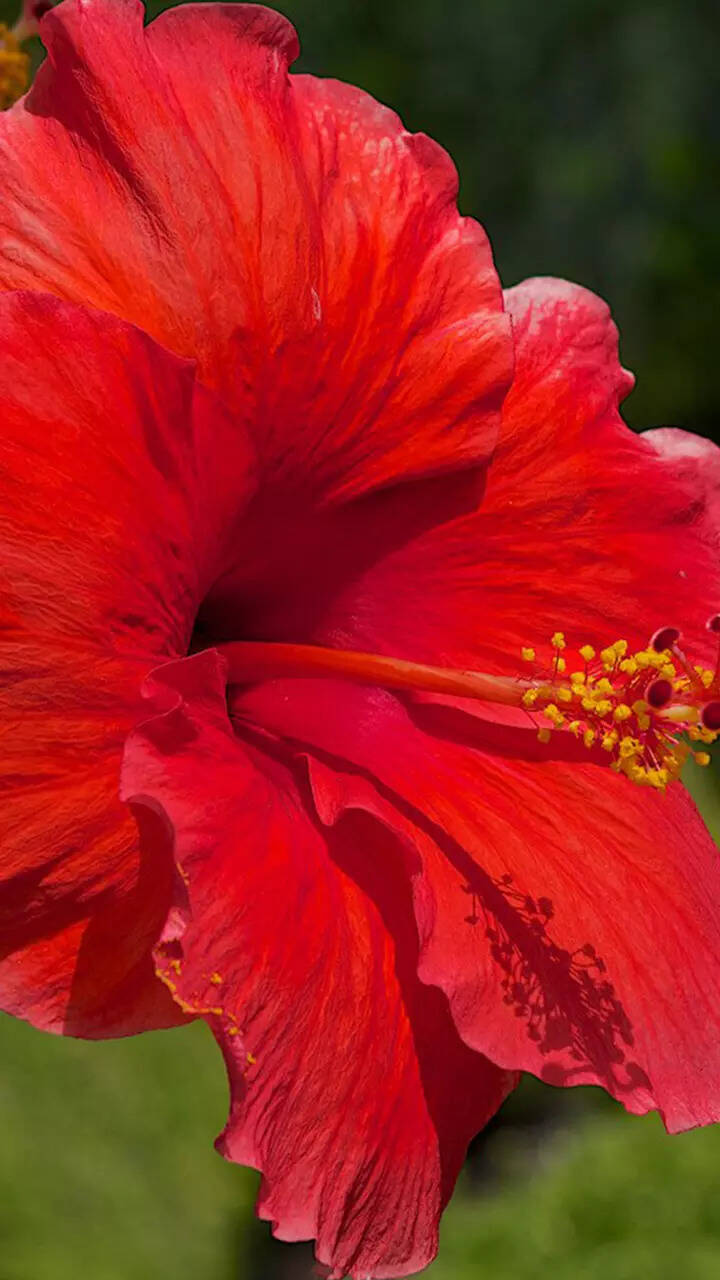
Hibiscus represents a wide-ranging genus in the mallow family, Malvaceae, encompassing several hundred species. These species are indigenous to the warm temperate, subtropical, and tropical regions across the globe.
In This Pic : Hibiscus
Read More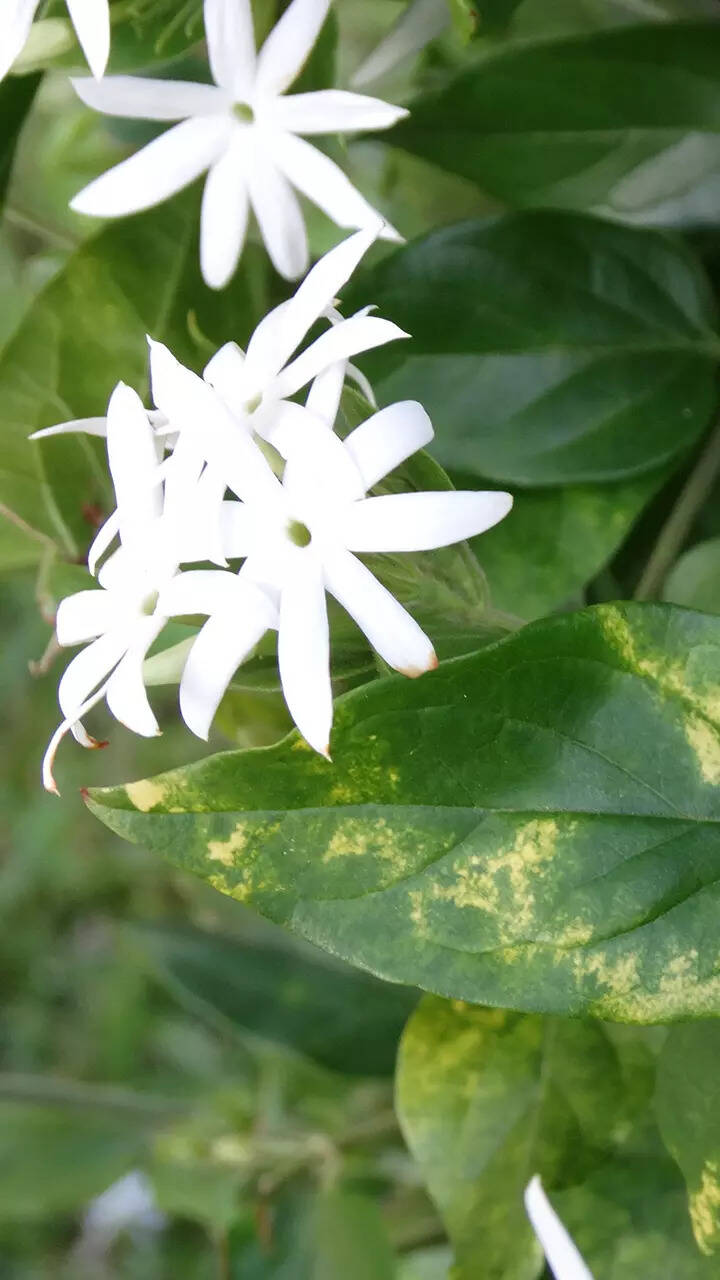
3/10
Belonging to the olive family, Oleaceae, Jasmine consists of a variety of shrubs and vines. Housing approximately 200 species, this genus originates from the warm temperate and tropical areas of Eurasia, Africa, and Oceania. The distinctive aroma of their flowers has led to the widespread cultivation of Jasmines.
In This Pic : Jasmine
Read More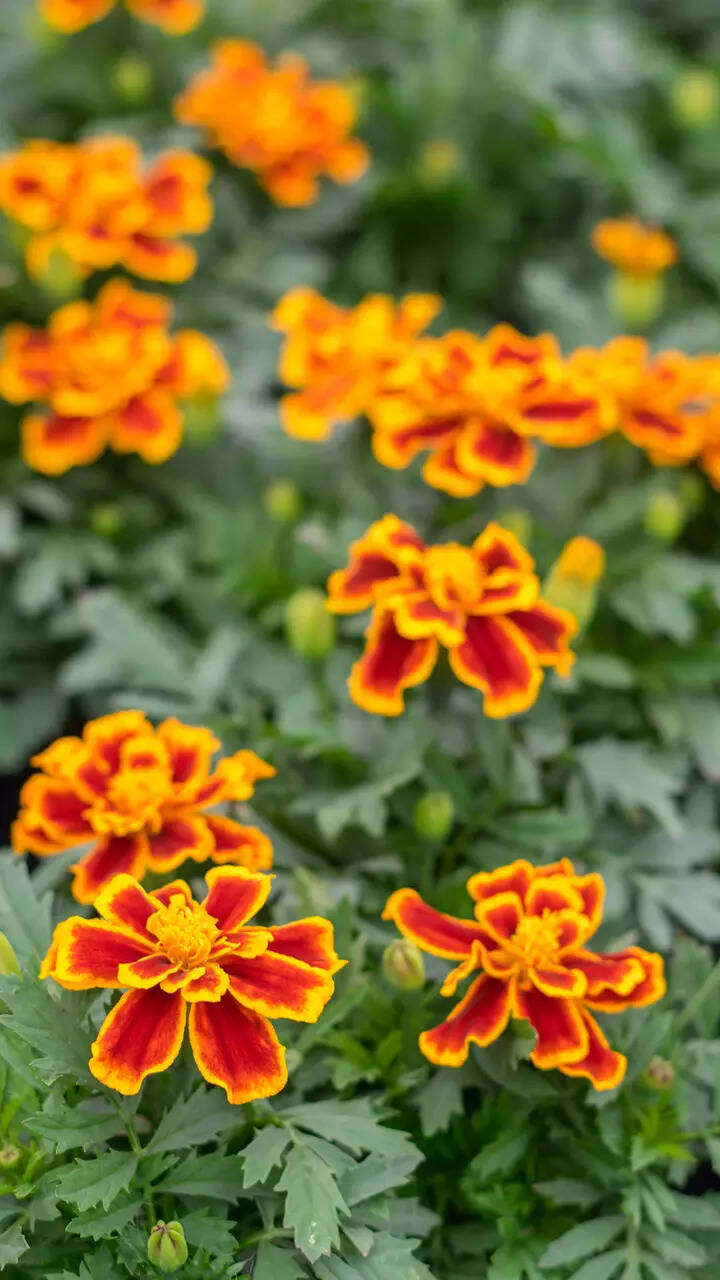
4/10
Tagetes, a genus in the Asteraceae family, encompasses around 50 species of mostly herbaceous plants, which are either annual or perennial. This genus is one of multiple plant groups referred to as marigolds in English. Carl Linnaeus was the one who first described the Tagetes genus in 1753.
In This Pic : Marigold
Read More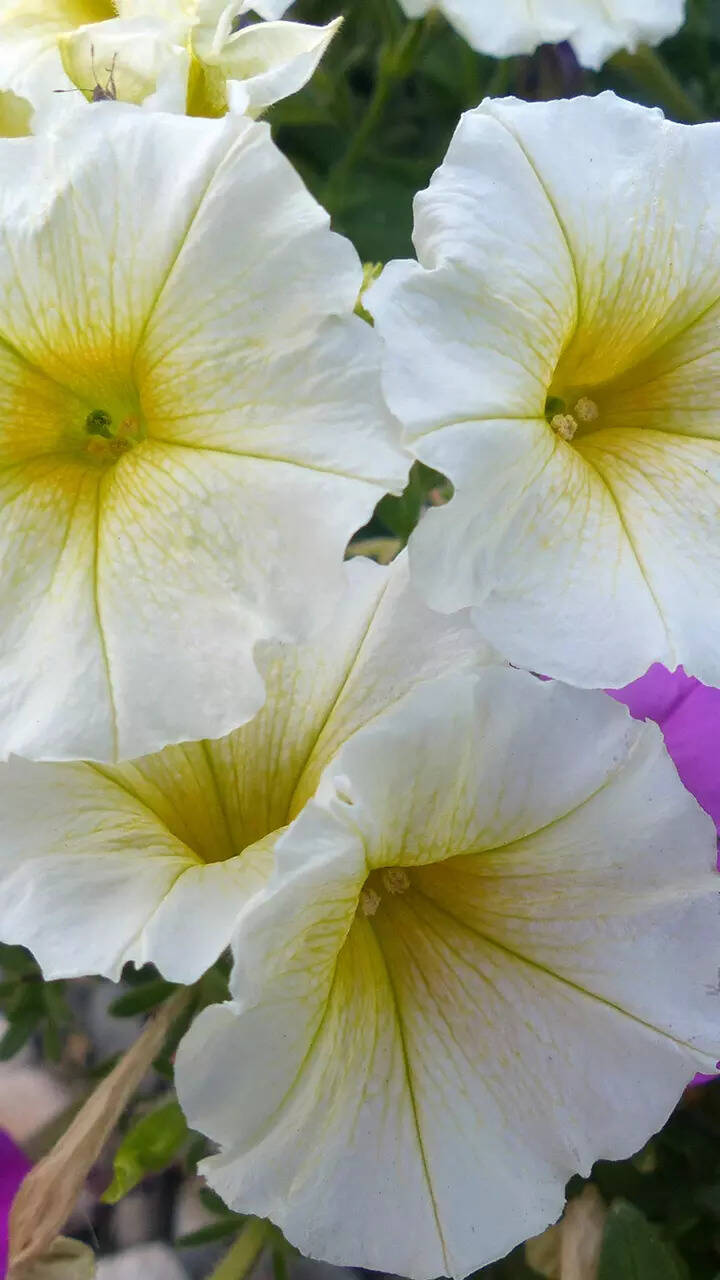
5/10
Petunia, a genus consisting of 20 species of blooming plants, originates from South America. The well-known flower shares its name with the genus, a term adopted from the French word 'pétun,' meaning 'tobacco,' sourced from a Tupi-Guarani language. Although it's a tender perennial, the majority of petunia varieties observed in gardens are hybrids.
In This Pic : Petunia
Read More

खबरें एक झलक में :
ऐप पर देखें