1/13
The constitutional amendment bill
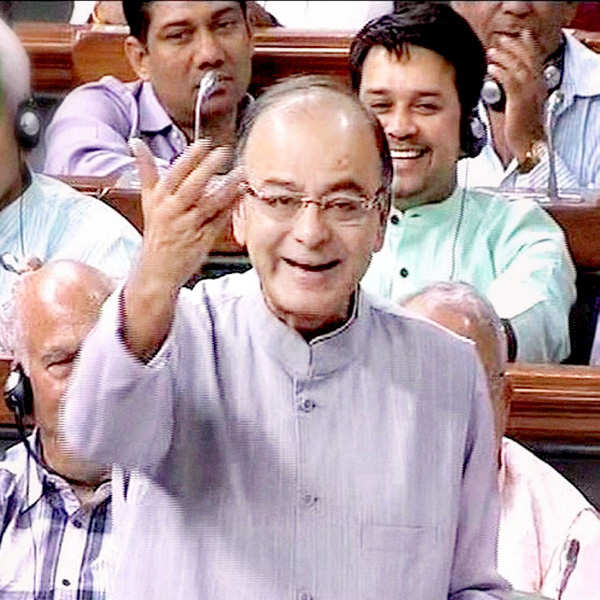
for rolling out the long-pending goods and services tax cleared the first
hurdle with the legislation receiving Lok Sabha approval on Wednesday. Now, the
bill faces a sterner test in the upper House, where the NDA is in a minority,
and opposition parties led by the Congress are demanding that it should be sent
to the standing committee.
In This Pic : Arun Jaitley
Pic Courtesy : PTI
Read More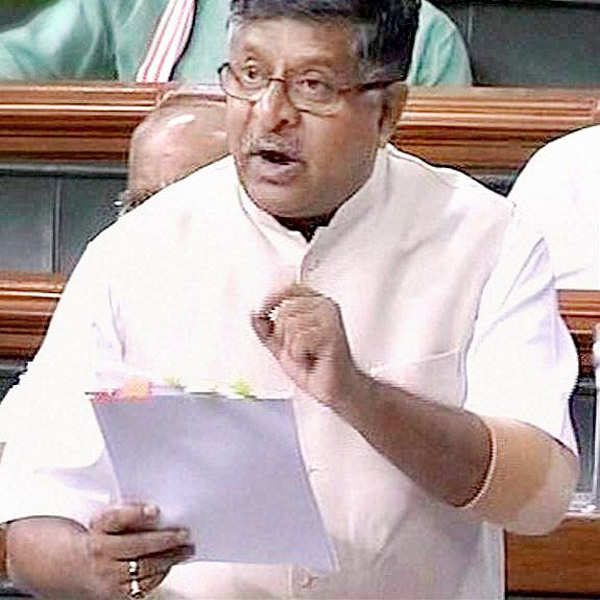
2/13
Congress
lodged its protest by walking out of Lok Sabha even as the bill, first
introduced by Pranab Mukherjee in 2011, was passed. The bill was passed by 352
votes to 37.
In This Pic : Ravi Shankar Prasad
Pic Courtesy : PTI
Read More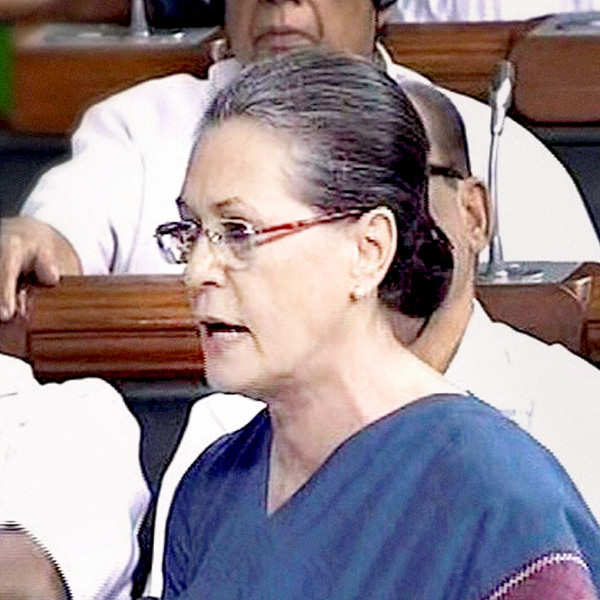
3/13
Finance minister Arun Jaitley,
who approached the opposition benches and thanked them after the bill was
passed, had earlier assured jittery states that the Centre would compensate
them for any revenue loss and assured that the new uniform indirect tax rate
would be much less than 27% recommended by an expert panel.
In This Pic : Sonia Gandhi
Pic Courtesy : PTI
Read More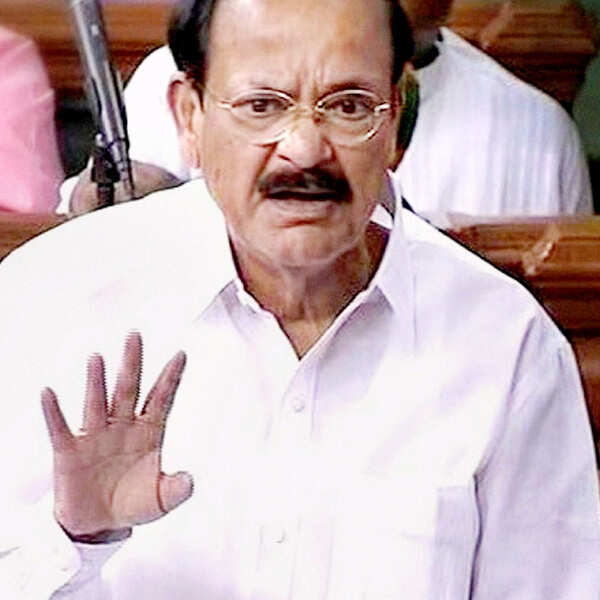
4/13
The Narendra Modi government has
set April 1, 2016 as the latest deadline for implementing GST, which will
subsume excise, service tax, state VAT, entry tax, octroi and other state
levies. But for that to happen, the constitution amendment bill needs to be
cleared by Rajya Sabha and has to be endorsed by state legislatures.
Subsequently, the Centre and states will decide on the tax rate and a GST Bill
will have to be approved by Parliament.
In This Pic : Venkaiah Naidu
Pic Courtesy : PTI
Read More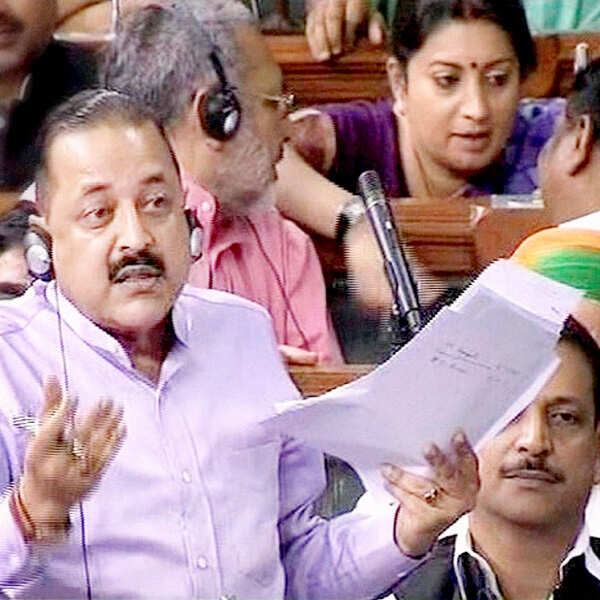
5/13
With the BJP and its allies in
minority in Rajya Sabha, the bill is expected to face some stiff opposition as
the Congress is determined to send it to a parliamentary standing committee.
With most parties having made their stand clear, AIADMK, which has remained
ambivalent on the issue, is key to the bill's passage.
In This Pic : Jitendra Singh
Pic Courtesy : PTI
Read More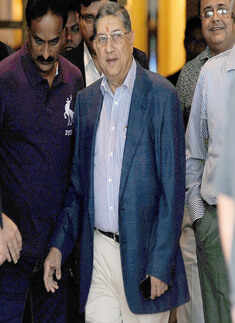
खबरें एक झलक में :
ऐप पर देखें