1/10
2/10
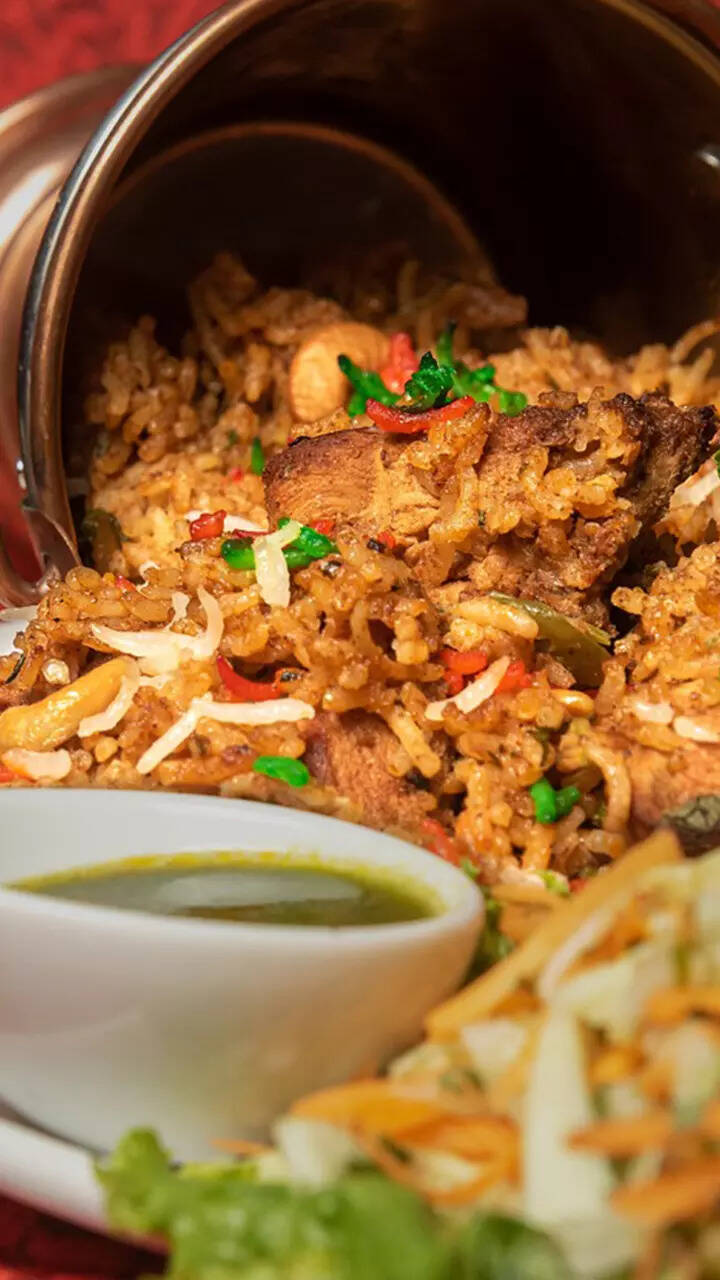
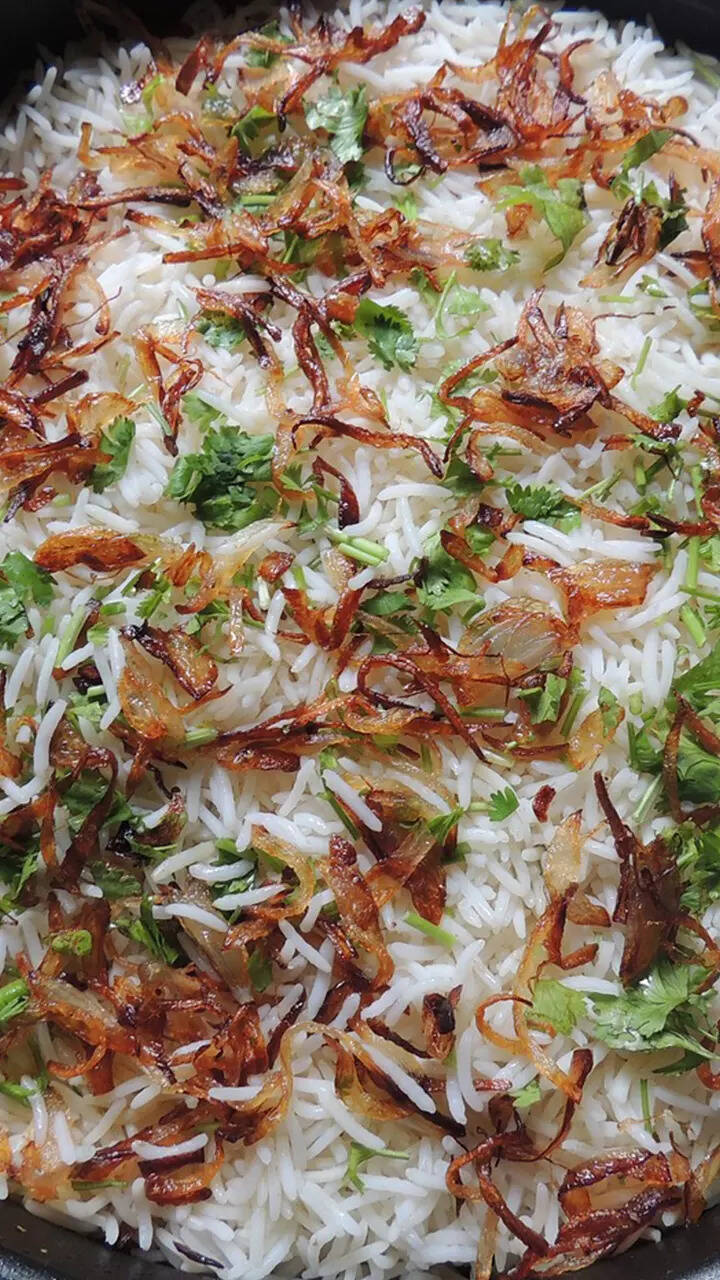
The term 'Biryani' has roots in the Persian word 'Birian', signifying 'pre-fried', and 'Birinj', meaning rice. Though its precise origins are debated, many contend it journeyed from Persia to India with the Mughals, evolving further in the Mughal royal kitchens.
In This Pic : Biryani
Read More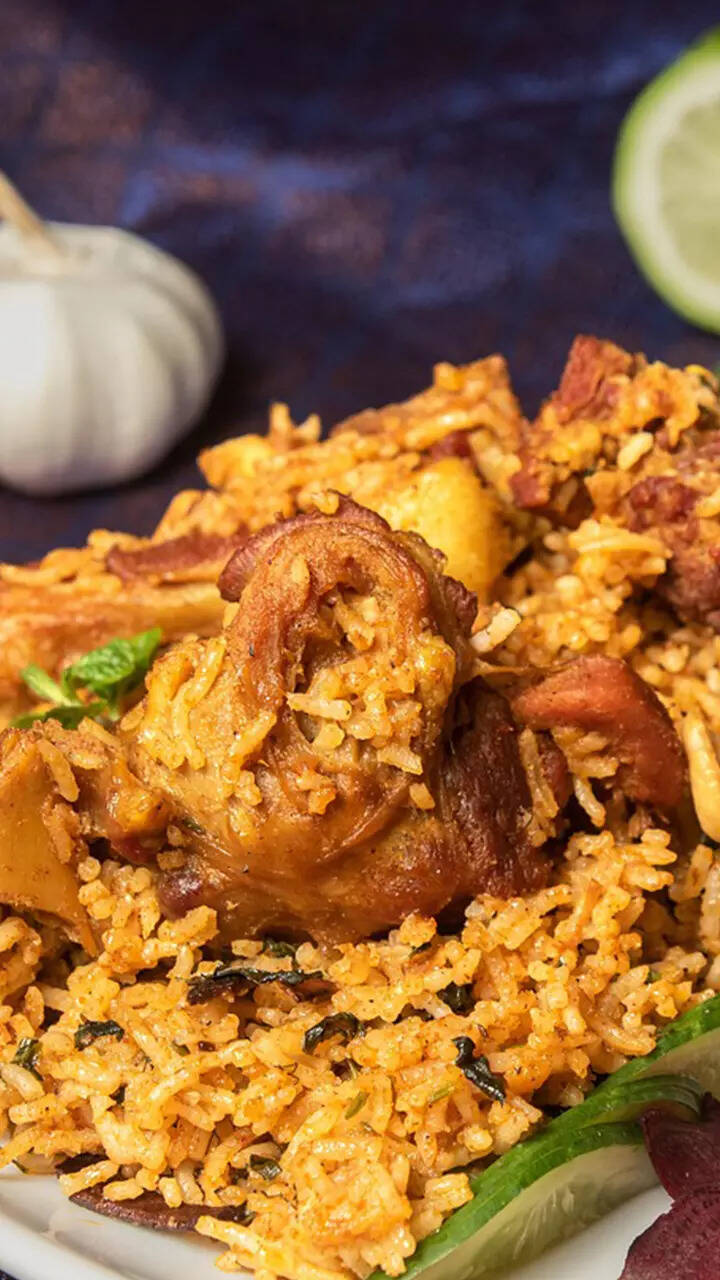
3/10
Legends surround Biryani's evolution, including a tale about Mumtaz Mahal, Shah Jahan's wife. Noticing malnourished Mughal soldiers, she instructed chefs to combine meat and rice, enriching it with spices and saffron cooked over wood.
In This Pic : Biryani
Read More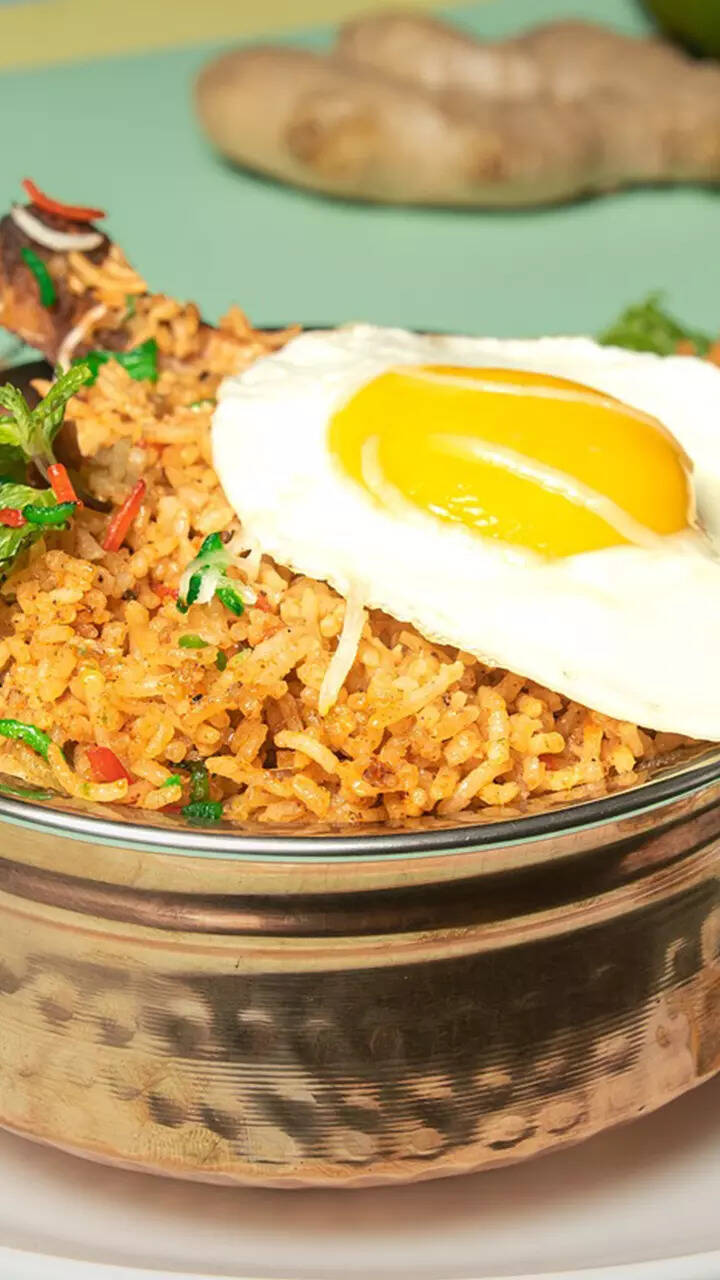
4/10
Another tale credits Turk-Mongol conqueror Taimur with introducing Biryani to India in 1398. Additionally, Hyderabad's Nizams and Lucknow's Nawabs are celebrated for their fondness for this dish.
In This Pic : Biryani
Read More
5/10
Mughal Emperors cherished grand dining and culinary arts. Traditional Mughlai Biryani, with its spiced meat and kewra-infused rice, released an enticing aroma, instantly whetting appetites.
In This Pic : Biryani
Read More
खबरें एक झलक में :
ऐप पर देखें